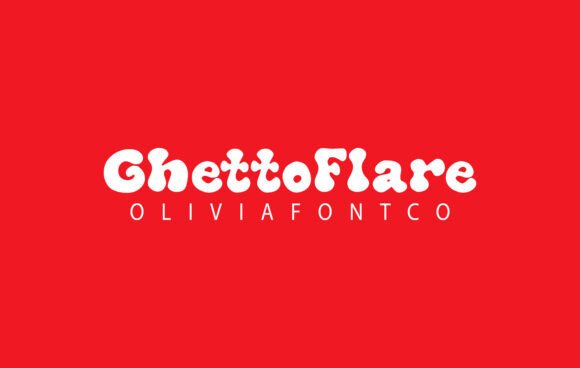
Ghettoflare: A Handwritten Font for Web Design
Testing Ghettoflare in a new website project felt like discovering a hidden gem. As a web designer, I'm always on the lookout for fonts that bring personality and warmth to digital layouts without sacrificing clarity. Ghettoflare, part of the Script Amp collection, fits perfectly into this vision.
From the moment I applied Ghettoflare to a hero section, I noticed its unique charm. The font has a handwritten quality that feels authentic and romantic, making it ideal for creative projects. It’s not just a typeface—it's a design statement that adds character to any layout.
Visual Characteristics and Style
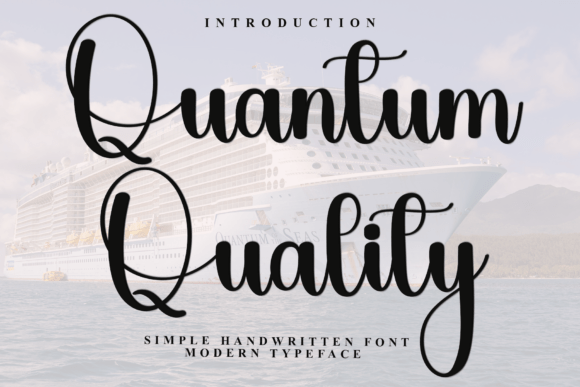
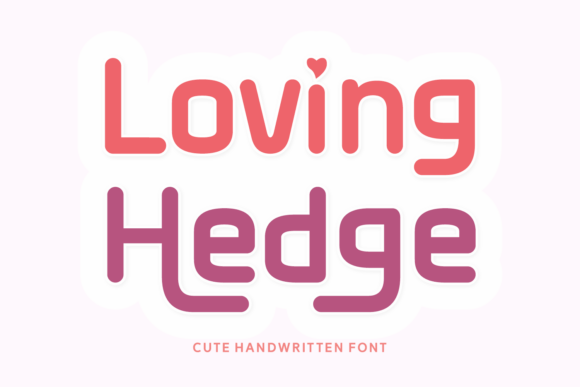
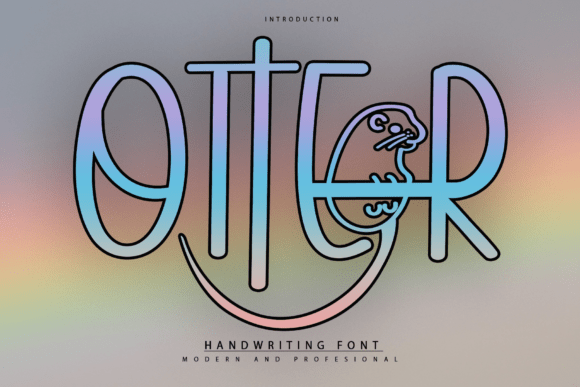
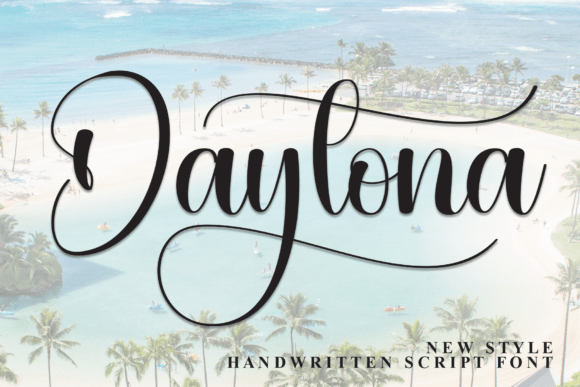
Ghettoflare has a natural, fluid script with subtle variations in stroke weight. It carries a sense of intimacy and elegance, which makes it great for branding that wants to feel personal and approachable. The font’s style is modern yet timeless, blending well with both minimalist and more expressive design aesthetics.
Its visual appeal lies in its imperfections—small irregularities in the letterforms give it a handcrafted feel. This makes Ghettoflare stand out in a world dominated by clean, rigid typefaces. It's perfect for headers, logos, or any element where you want to evoke a sense of creativity and authenticity.
Practical Use Cases
Using Ghettoflare in a boutique online store project was a revelation. I placed it over an image banner for the main headline, and it immediately drew attention. The font complemented the brand’s aesthetic, adding a touch of sophistication without overwhelming the design.
On a coaching website, Ghettoflare worked well as a heading for a call-to-action section. Its readability was impressive even at smaller sizes, and it paired beautifully with a simple sans serif for body text. This combination created a balanced visual hierarchy that guided users through the content effectively.
For a portfolio homepage, Ghettoflare made the navigation menu feel more dynamic. It added a playful yet professional edge, which aligned with the site’s creative focus. The font also worked well in social media graphics, where its handwritten look helped the brand stand out on platforms like Instagram and Pinterest.
Readability and User Experience
One of my main concerns when using a script font like Ghettoflare is how it performs on mobile screens. Fortunately, it maintains good legibility even at smaller sizes. I tested it on a mobile layout and found that it didn’t strain the eyes, making it suitable for short phrases and buttons.
When used on dark backgrounds or image overlays, Ghettoflare retained its clarity. I adjusted the contrast and spacing slightly, but the font still held up well. For fast-loading visual content, it was important to ensure that the font didn't add unnecessary weight to the page, but Ghettoflare’s file size was manageable.
Font Pairing and Design Integration
Pairing Ghettoflare with a clean, modern sans serif made the design feel more polished. For example, using it alongside a font like Lato or Montserrat created a nice balance between decorative and functional typography. This pairing was especially effective for landing pages where the goal is to guide users through a narrative.
In editorial designs, Ghettoflare could serve as a highlight for key quotes or subheadings. Its soft curves and flowing lines add a human touch that complements more structured text. For packaging design or digital ads, the font’s uniqueness helped make the brand more memorable.
Considerations for Web Designers
Before implementing Ghettoflare in a project, I checked its webfont availability and file formats. It was available in standard web formats, which made it easy to integrate into CSS. The font also included alternate characters and weights, giving me flexibility in how I used it across different sections of the site.
Support for multiple languages was another factor. Since the project involved multilingual content, it was reassuring to know that Ghettoflare handled non-Latin scripts effectively. This made it a reliable choice for international audiences.
Commercial licensing was straightforward, which is essential for designers working on client projects or online stores. Knowing that the font could be used without legal complications allowed me to focus on the creative aspects of the design.
Conclusion
Ghettoflare is more than just a font—it's a tool that can elevate the visual identity of a website. Its handwritten charm, combined with practical usability, makes it a valuable asset for web designers, UI creators, and digital product developers. Whether you're building a creative portfolio, a boutique online store, or a coaching website, Ghettoflare offers a fresh and expressive way to communicate your brand’s message.
As I continued refining the design, I found that Ghettoflare consistently delivered on its promise. It brought a sense of warmth and personality that other fonts often lacked. For anyone looking to add a touch of authenticity to their digital work, Ghettoflare is definitely worth considering.